The King of Dribbling isn’t crowned by stats but by the quiet art of keeping the ball when everyone
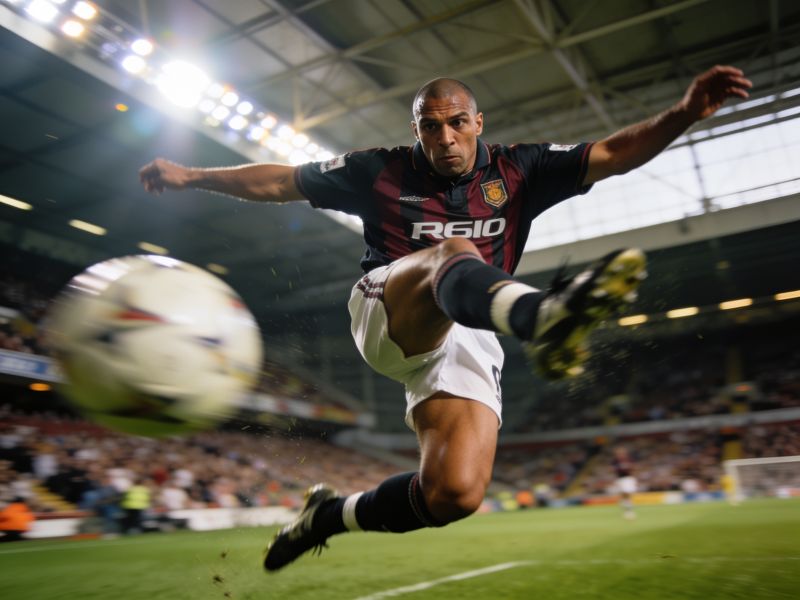
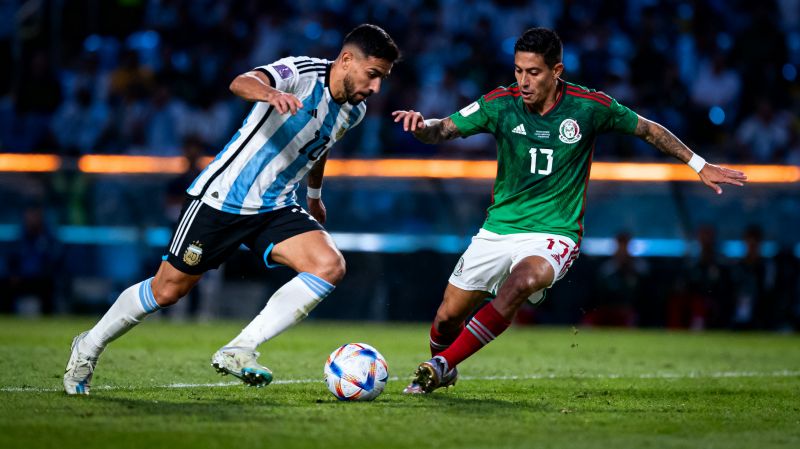
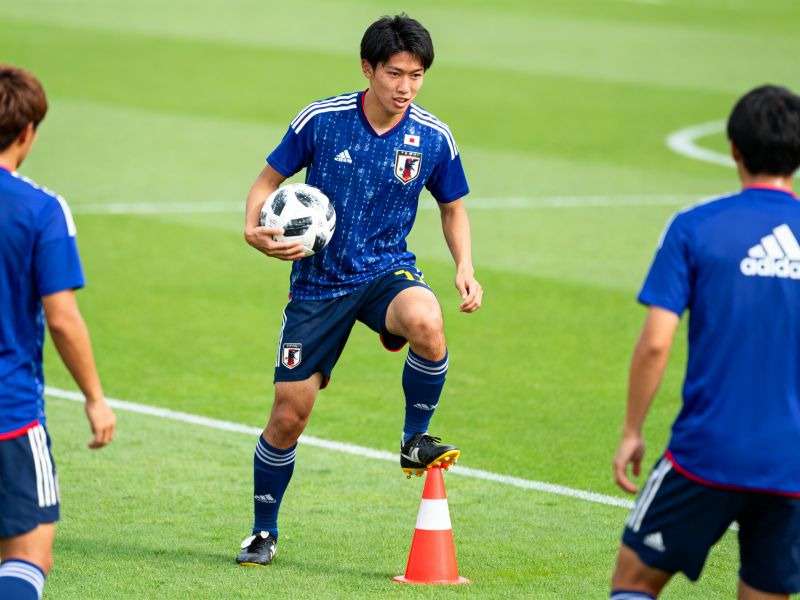
he ball sticks to his left foot like it’s attached by a string. He shifts his weight, drops a shoulder, and the defender leans just enough. That’s all it takes. The King of Dribbling isn’t a title you vote on—it’s awarded in the narrow gap between a planted foot and a desperate lunge. Watch enough football and you’ll notice something: the greatest dribblers don’t just beat opponents;they make the game feel like it’s being played on a different pitch, one where geometry bends to their will.Lionel Messi is the obvious case, and for good reason. His dribbling isn’t flashy—no stepovers, no rabonas. It’s a series of tiny, almost imperceptible touches that keep the ball glued to his instep while his upper body sells a different story. I once sat behind the goal at Camp Nou (well, on a stadium tour, but the memory sticks) and traced the worn grass patches where he cuts inside from the right. They’re not random. They’re a map of repeated decisions, each one a small act of defiance against the idea that defending can be reduced to a system. The King of Dribbling。in this sense, isn’t about tricks;it’s about making the simple look inevitable.But don’t sleep on the old school. Garrincha’s legs were famously crooked—his right leg bent inward, his left outward—and defenders still couldn’t read him. He’d dribble past the same man twice just to prove a point, then whip in a cross that made the crowd gasp. There’s a story about a Brazilian journalist asking a defender how to stop Garrincha. The answer: “You don’t. You just pray he misses” That’s the essence of the King of Dribbling—a psychological edge that turns a one-on-one into a private duel the attacker has already won. The crowd feels it. The defender feels it. Even the ball feels it, somehow.Modern analytics try to quantify dribbling with completion rates and progressive carries. Useful, sure. But they miss the texture. A successful dribble that goes backward isn’t the same as one that breaks a line and sends a stadium into a low, rolling roar. I’d argue the King of Dribbling is whoever makes you lean forward in your seat。
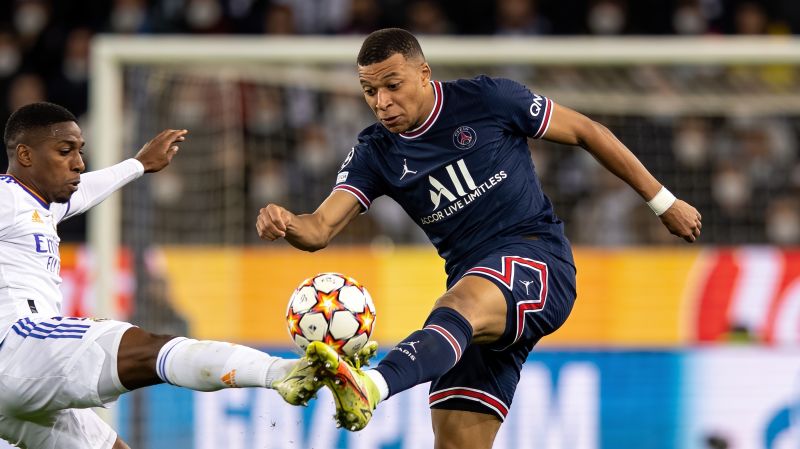
phone forgotten, because you suspect something unreasonable is about to happen. That’s not a stat. It’s a hunch, a shared intake of breath. And it’s why we still watch clips of Okocha, Ronaldinho, and yes, Messi, long after the final whistle.So here’s a working definition, one that won’t fit on a tactics board: the King of Dribbling is the player who treats the ball as an extension of their own balance—and the defender as a problem to be solved with patience, not panic. It’s a craft, not a highlight reel. The title changes hands quietly, often without a ceremony. One day you’re watching a teenager in a youth match。
and they do something that makes you stop chewing. That’s the moment. The King of Dribbling doesn’t rule by decree;he rules by the simple, stubborn act of keeping the ball when everyone else expects him to lose it.