Explore the enigmatic career of Paolo Di Canio, from his breathtaking scissor volley and fair play a
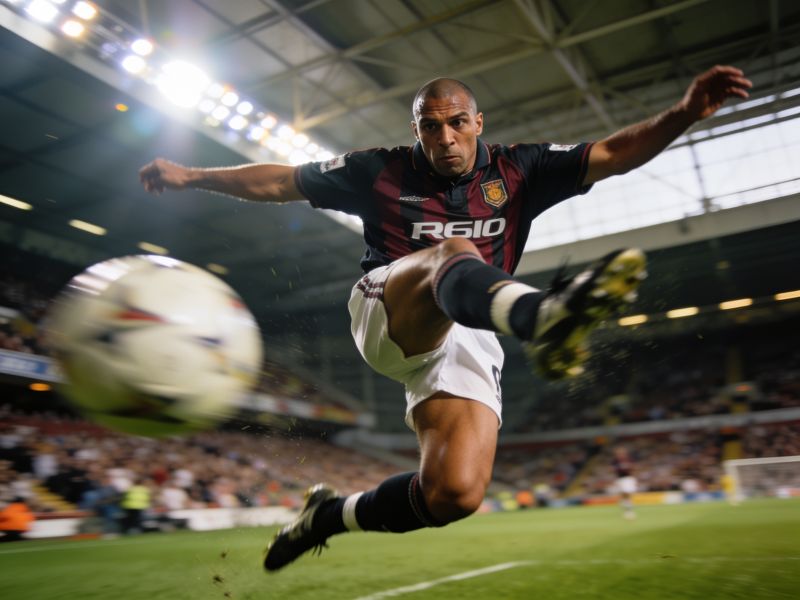
hat scissor volley against Wimbledon in 1997 wasn't just a goal;it was a declaration. Paolo Di Canio, with his arms outstretched and chin lifted, didn't just score—he performed. The technique was flawless, the audacity staggering。but what lingers is the raw, unfiltered emotion. It's the same volatility that defined his entire career, a chaotic blend of genius and grievance that makes him one of football's most fascinating and frustrating figures. You can't separate the man from the madness, and you wouldn't want to.On the pitch, Di Canio was a maverick. His close control and improvisational flair made him a nightmare for defenders. He didn't just play the game;he interpreted it. Remember the 2001 FA Cup tie when he caught the ball mid-air to allow Everton's Paul Gerrard to receive treatment?A moment of sportsmanship so unexpected it won him a FIFA Fair Play award. Yet。this same player pushed referee Paul Alcock to the ground in 1998, earning an eleven-match ban. The duality is dizzying. He could be the villain and the hero within the same ninety minutes。often within the same breath.His time at West Ham United cemented his cult status. The fans adored him—not despite his flaws, but because of them. He was one of them: passionate, flawed, and unapologetically human. The infamous 'Di Canio' chant still echoes around Upton Park (now the London Stadium) on occasion, a testament to a connection that transcended results. He scored 47 goals in 118 appearances for the Hammers, but his impact was measured in moments: the volley, the push, the tears after relegation. He felt everything。
and in doing so, he made you feel it too.Beyond England, his career was a tour of football's emotional extremes. At Lazio。his boyhood club, he lived the dream, but his political affiliations—specifically his self-proclaimed fascist sympathies—sparked controversy that followed him like a shadow. He once gave a Roman salute to Lazio's ultras, a gesture that provoked widespread condemnation. Di Canio never backed down from his beliefs, however misguided they seemed to many. It's this refusal to compromise, this stubborn authenticity, that defines him. He is a reminder that footballers are not blank canvases for our projections;they are complex, often contradictory, individuals.Retirement hasn't softened him. As a manager, his stints at Swindon Town and Sunderland were marked by the same intensity, albeit with mixed results. He demanded perfection and punished anything less. His methods were unorthodox—training sessions that bordered on military drills, public criticism of players—and ultimately unsustainable. Yet, you can't help but wonder if his uncompromising nature is precisely what football lacks today. In an era of media-trained soundbites and sanitized celebrations。Di Canio was a live wire, unpredictable and electric. You may not like him, but you cannot ignore him. And that, perhaps, is the ultimate measure of his legacy.